Neurological Rehabilitation · Long Island, NY
Has a stroke or neurological condition changed how you get through the day?
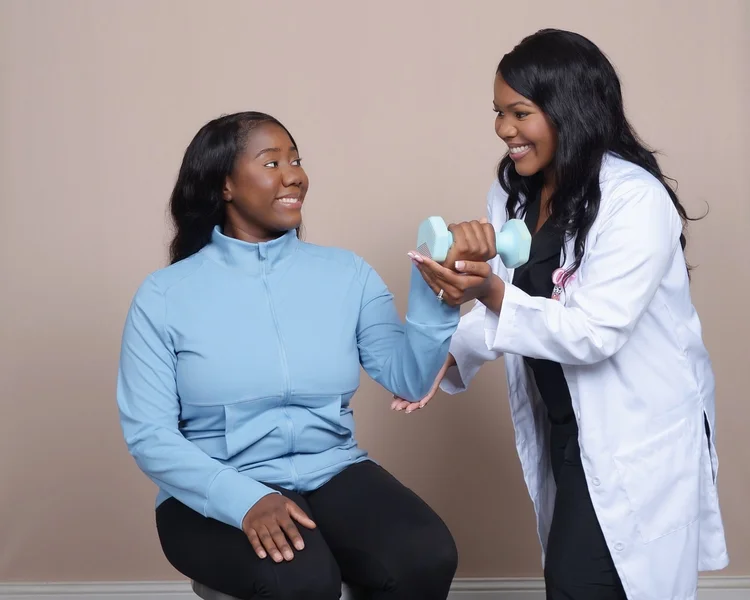
Neurological occupational therapy on Long Island helps adults work toward more independence in the activities that matter to them. Elevate Rehabilitate OT, PLLC serves adults in Nassau County and Suffolk County.
Conditions We Treat
- Stroke (CVA), including hemiplegia and hemiparesis
- Traumatic brain injury (TBI)
- Acquired brain injury (ABI)
- Multiple sclerosis (MS)
- Parkinson’s disease
- Guillain-Barré syndrome
- Peripheral neuropathy
- Other neurological and neuromuscular disorders
Symptoms and Functional Challenges We Address
- Muscle weakness, spasticity, and changes in muscle tone
- Reduced range of motion and impaired coordination
- Reduced grip and pinch strength
- Sensory changes and difficulty sensing limb position (proprioception)
- Cognitive and visual-perceptual difficulties
- Fatigue
- Balance difficulties and fall risk
- Difficulty with activities of daily living
What to Expect During Your First Visit
Your occupational therapist selects assessment tools based on your diagnosis, medical precautions, abilities, and functional needs.
History, goals, and precautions
- Detailed review of medical and surgical history
- Medication review and identification of relevant medical precautions
- Occupational profile, including what you did before the condition, what is difficult now, and what you want to work toward
Movement, hand strength, and coordination
- Manual muscle testing (MMT)
- Active and passive range of motion (AROM/PROM), including measurements with a goniometer
- Grip strength measured with a hand dynamometer and pinch strength measured with a pinch gauge
- Fine and gross motor coordination testing
- Standardized dexterity testing, such as the Nine-Hole Peg Test or Box and Block Test, when appropriate
Sensation, thinking, and daily function
- Muscle tone and spasticity assessment
- Sensory and proprioceptive assessment
- Cognitive and visual-perceptual screening
- Balance, functional mobility, and safety assessment
- Assessment of activities of daily living (ADLs) and instrumental activities of daily living (IADLs), such as meal preparation and household tasks
Your care plan and next steps
- Measurable, individualized treatment goals
- A personalized plan of care, recommended visit frequency, and a home exercise program as appropriate
- Patient and caregiver education
Specialized Treatment Interventions
Movement and everyday tasks
- Neuromuscular re-education, therapeutic exercise, and therapeutic activities
- Task-specific training for dressing, bathing, grooming, and cooking
- Upper extremity rehabilitation and fine motor retraining for writing and using everyday objects
Strategies for everyday independence
- Cognitive rehabilitation and compensatory strategies for daily routines
- Adaptive equipment training and energy conservation for household and community activities
- Home safety education to support participation in daily activities
Meet your occupational therapist
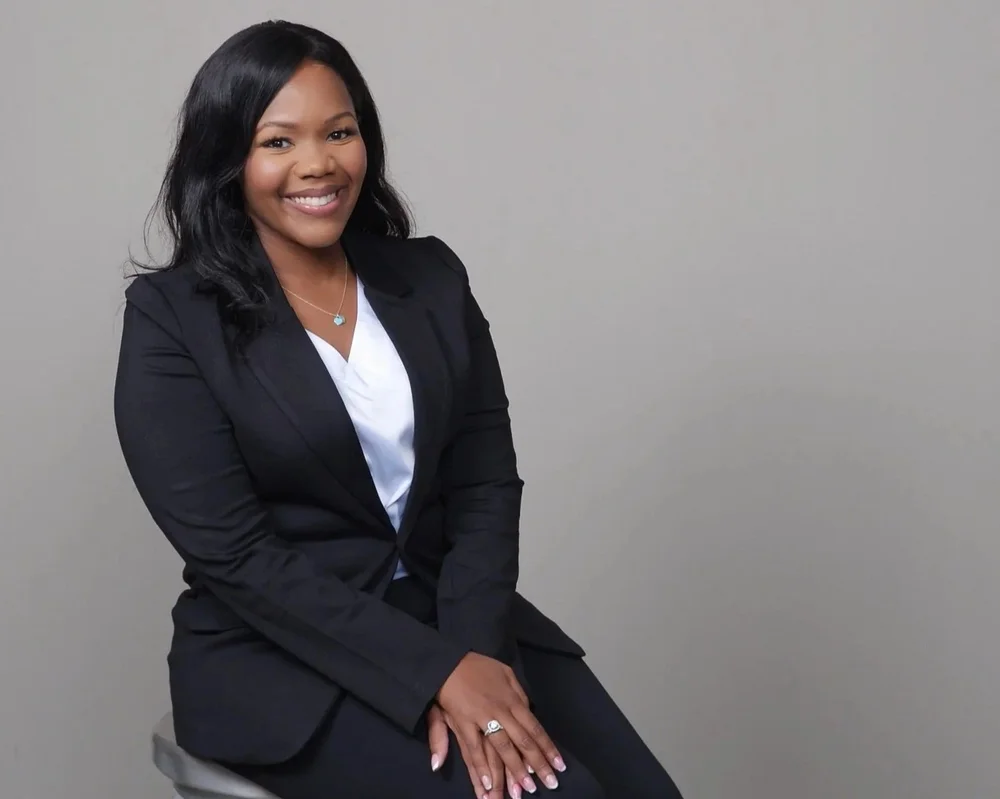
Shanique St. Fleur, OTR/L, CLT, CBIS is a New York–licensed Occupational Therapist, Certified Brain Injury Specialist (CBIS), and Certified Lymphedema Therapist (CLT) with over seven years of clinical experience.
Frequently asked questions
Can a caregiver join?
Yes, when helpful and with your permission. We can practice cues, routines, or ways to assist with daily tasks.
What happens at the first visit?
We review your history and goals, assess the skills that affect your daily activities, and develop a plan together. See what the evaluation may include.